This site contains affiliate links, which means I may earn a small commission If you click on a link and make a purchase, at no extra cost to you.
Cleaning your home does not always require a cabinet full of different products.
Sometimes, a simple bottle of white vinegar can be useful for everyday cleaning jobs around the house.
Vinegar is affordable, easy to find, and useful for many common household tasks. It can help with things like water marks, odors, and some everyday buildup.
If you are trying to keep cleaning simple, you may also enjoy How to Clean Your House Room by Room Without Feeling Overwhelmed. It can help you break cleaning into smaller and more manageable tasks.
Still, vinegar is not suitable for every surface.
Knowing where you can use it, how to dilute it, and what not to mix it with is important.
In this guide, we will look at practical ways to use vinegar around your home. We will also cover a few important precautions so you can clean with it safely and confidently.

What Makes Vinegar Useful for Cleaning?
White vinegar can be a handy addition to your cleaning routine.
Its acidity helps loosen some types of buildup, including mineral deposits and soap residue. It can also help reduce certain everyday odors.
That makes it useful for several small cleaning jobs around the home.
However, vinegar is not a universal cleaner. Some surfaces can be damaged by acids, so knowing where to use it matters.

Choose the Right Vinegar
For household cleaning, plain distilled white vinegar is usually the easiest option.
You do not need an expensive vinegar for basic cleaning jobs. A bottle of distilled white vinegar(buy on amazon) is enough for many tasks.
Avoid using flavored or colored vinegar for cleaning. Those varieties can leave unwanted residue or stains.
You can also keep a measuring cup(buy on amazon) and spray bottle(buy on amazon) nearby. They make it easier to prepare diluted vinegar for suitable cleaning tasks.
Always label your spray bottle clearly if you transfer vinegar into another container.

Dilute It When Needed
Vinegar does not always need to be used at full strength.
For many everyday cleaning jobs, diluting it with water is a practical option. A simple refillable spray bottle(buy on amazon) can make this convenient.
The right mixture depends on what you are cleaning. Start with a mild solution when you are unsure.
It is also a good idea to test the solution on a small hidden area first.
This can help you spot any unwanted reaction before cleaning a larger surface.
If you are building a simple cleaning system, you can combine these small jobs with How to Create a Simple Home Cleaning Routine You Can Actually Maintain.
The goal is not to use vinegar everywhere.
The goal is to know where it can make your regular cleaning easier.
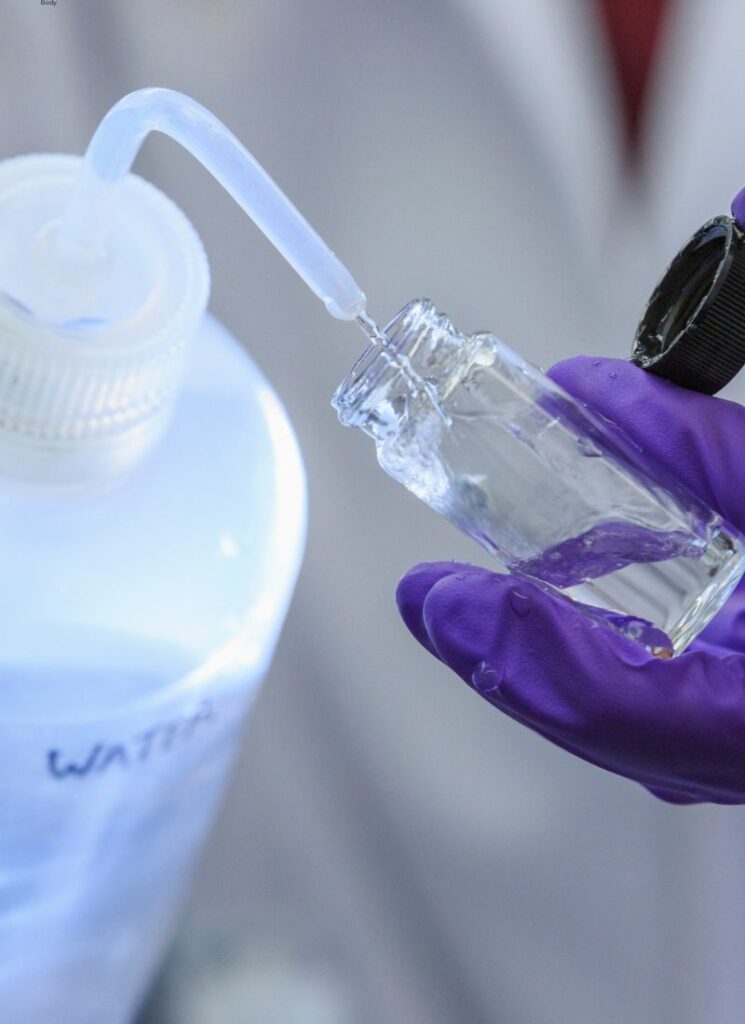
Use Vinegar on Glass and Mirrors
Vinegar can be useful for cleaning some glass surfaces around your home.
It can help loosen water marks and remove light residue from glass. This makes it handy for mirrors, windows, and some shower glass.
Before you begin, remove loose dust with a microfiber glass cleaning cloth.(buy on amazon) This keeps you from simply spreading dust around the surface.
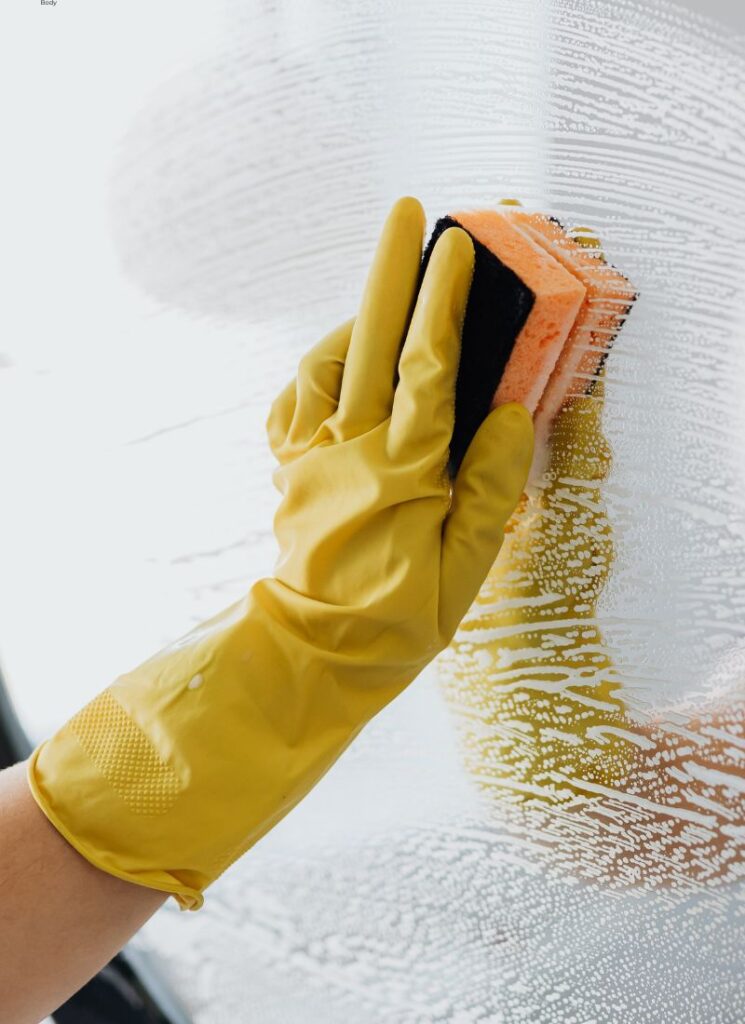
Make a Simple Cleaning Solution
For suitable glass surfaces, mix white vinegar with water in a clean spray bottle.(buy on amazon)
Spray a small amount onto your microfiber cloth(buy on amazon) instead of soaking the glass.
Wipe the surface gently from top to bottom. Then use a dry section of the cloth to remove leftover moisture.
This can help reduce streaks and leave the glass looking clearer.
If you are cleaning several mirrors, keep a second dry glass polishing cloth(buy on amazon) nearby. It can make the finishing step much easier.

Be Careful With Mirror Edges
Avoid allowing vinegar solution to sit around the edges of a mirror.
Liquid can seep behind some mirrors and damage the backing over time.
Use a lightly dampened cloth instead of spraying large amounts directly onto the surface.
It is also smart to check the manufacturer’s cleaning instructions first.
If you are working through your home one room at a time, you can include mirrors during your bathroom or bedroom cleaning. Our guide on How to Clean Your House Room by Room Without Feeling Overwhelmed can help you organize those tasks.
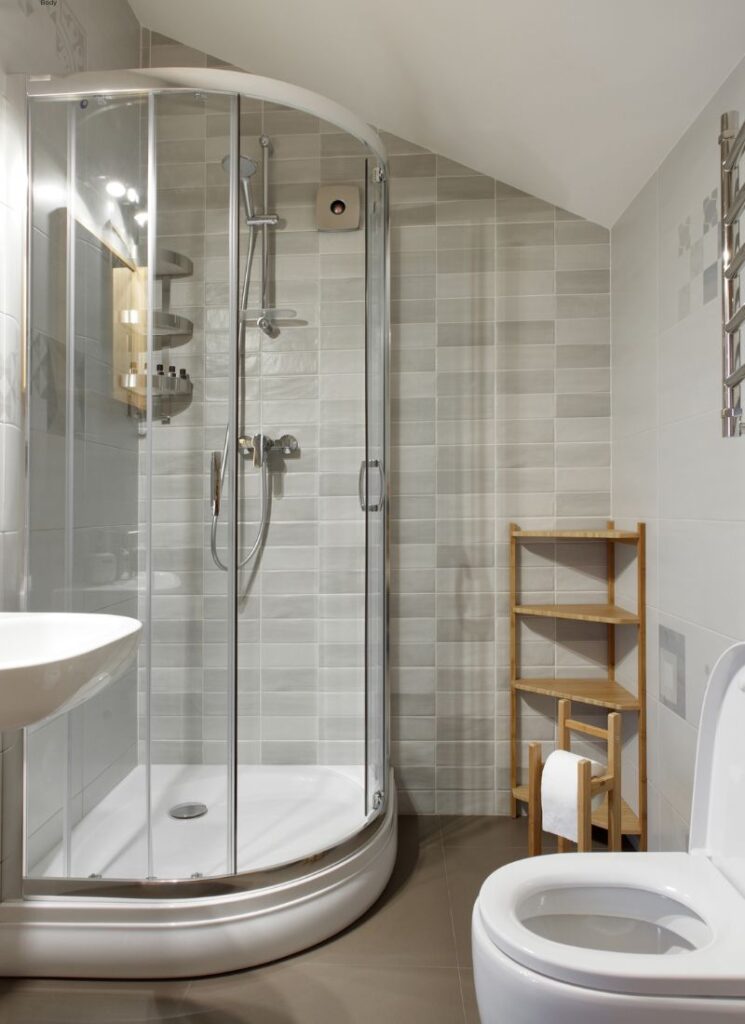
Clean Shower Glass Carefully
Vinegar can also help with mineral deposits on suitable shower glass.
Apply your diluted solution with a cloth and let it sit briefly on stubborn areas. Then wipe the glass and rinse it with clean water.
A shower squeegee(buy on amazon) can help remove water from the glass afterward.
Using a squeegee regularly can also reduce the amount of water residue that builds up between deeper cleaning sessions.
You do not need to spend a long time scrubbing the glass every day.
A quick wipe after showering can make future cleaning much easier.
If your shower glass has heavy buildup, you may need a more suitable cleaning method instead of relying on vinegar alone. Always check the surface manufacturer’s recommendations before using acidic cleaners.
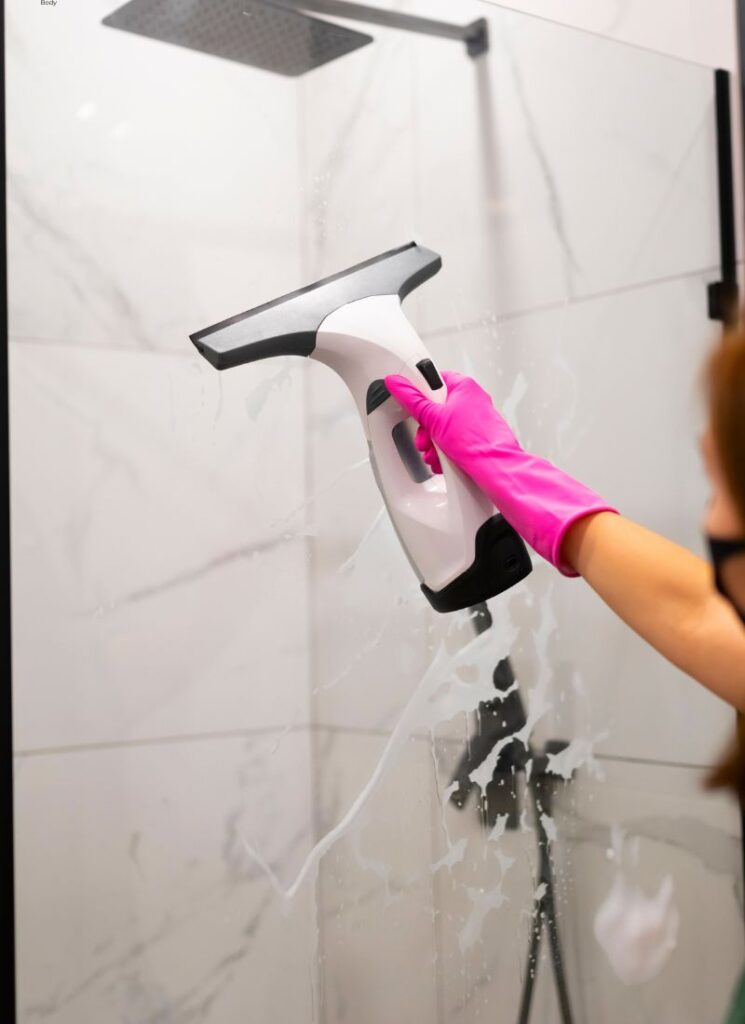
Remove Hard Water Buildup
Vinegar can be helpful when you are dealing with mineral buildup around the home.
You may notice this white or cloudy residue around faucets, showerheads, and other areas that regularly come into contact with water.
Start by applying diluted white vinegar to a clean microfiber cleaning cloth.(buy on amazon)
Place the damp cloth over the affected area and let it sit for a short time. This gives the vinegar time to loosen the buildup.
Then wipe the area clean with fresh water.
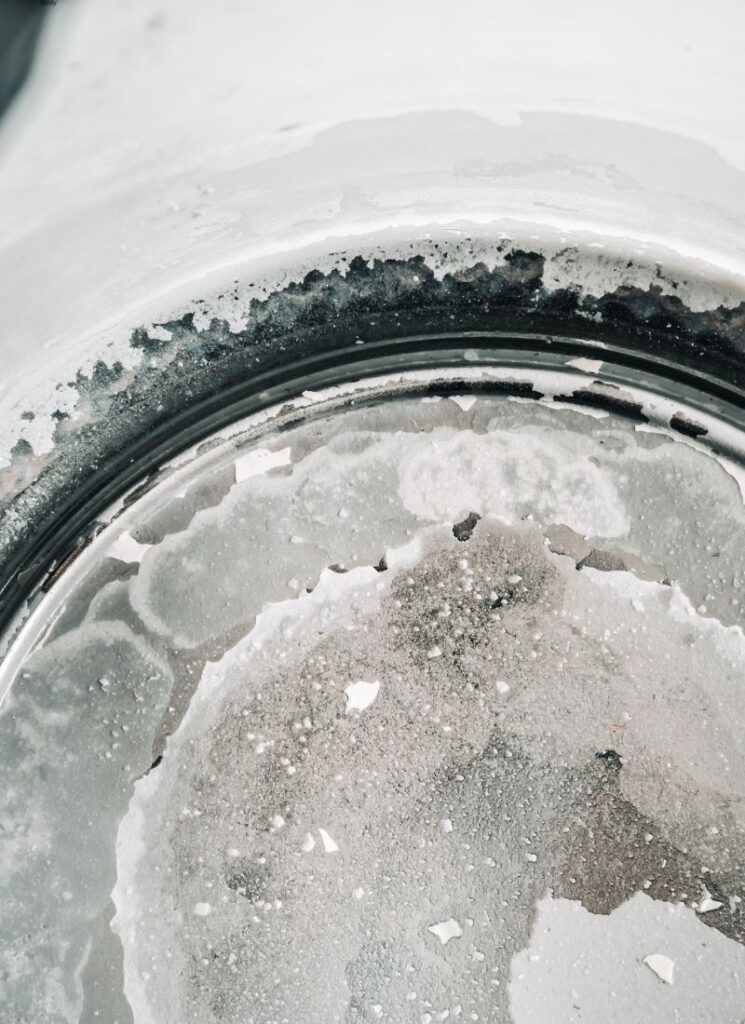
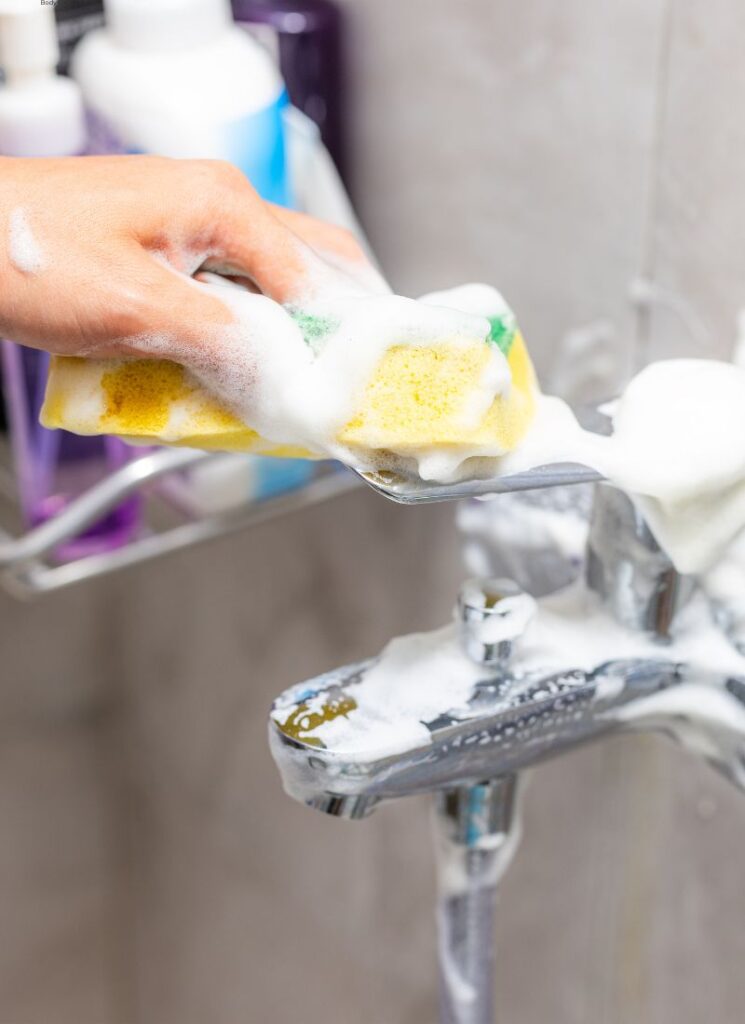
Clean Your Faucets
Faucets can develop cloudy marks around the base and handles.
Soak a small cloth with diluted vinegar and place it over the affected spot.
Leave it for a few minutes, then wipe the area gently.
A small cleaning brush(buy on amazon) can help you reach the narrow spaces around the faucet.
Rinse the area well when you finish. Then dry it with a clean cloth.
Drying the faucet can also help reduce new water marks.
If you are already cleaning the bathroom, this is a good task to add to your routine. You can also revisit 21 Places in Your Home You’re Probably Forgetting to Clean for other areas that deserve occasional attention.
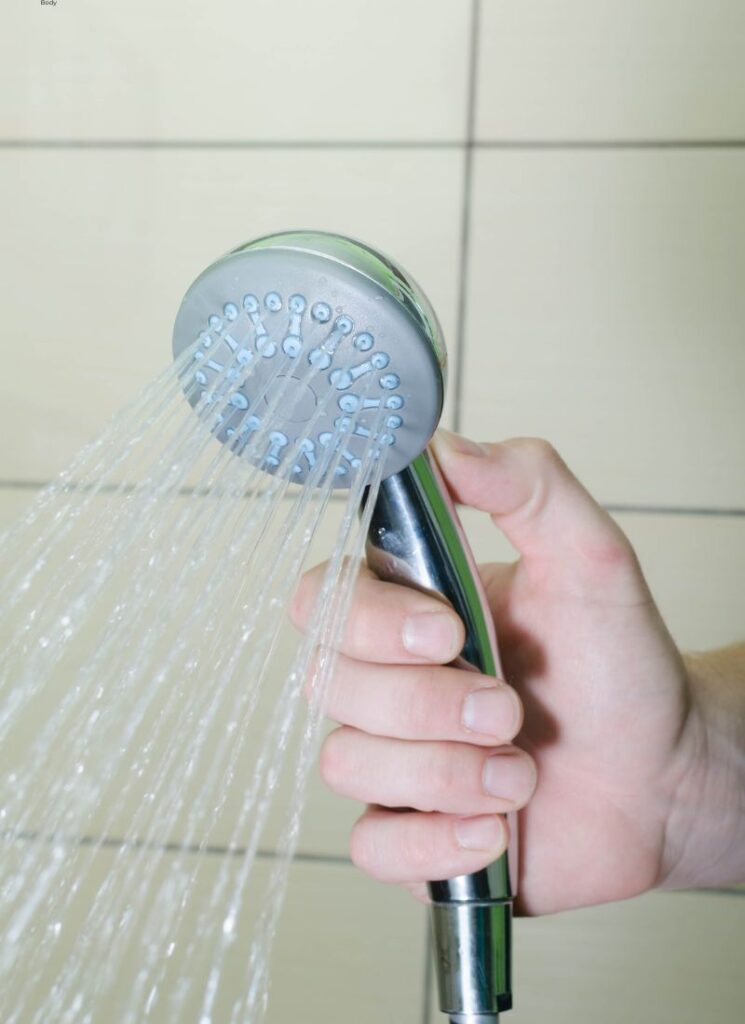
Freshen Showerheads
Mineral deposits can also build up around showerheads.
If the showerhead manufacturer allows vinegar cleaning, you can use diluted vinegar to help loosen the deposits.
For removable showerheads, follow the manufacturer’s cleaning instructions first.
A small reusable cleaning brush(buy on amazon) can help loosen residue around the spray holes.
Rinse everything thoroughly before using the shower again.
You do not need to do this every week.
Add it to your occasional cleaning list when you notice buildup starting to appear.
Remember That Vinegar Has Limits
Vinegar can be useful, but it is not the answer for every type of buildup.
It works best on certain mineral deposits and everyday residue.
It may not remove heavy grime or every type of stain.
You should also avoid using vinegar on surfaces that can be damaged by acids. Natural stone such as marble and granite is a common example.
When you are unsure about a surface, check the manufacturer’s cleaning instructions first.
A quick check can prevent an inexpensive cleaning job from becoming an expensive repair.
If you are trying to keep your cleaning routine simple, remember that the goal is not to use vinegar everywhere. Use it only where it is appropriate, and choose another cleaner when the surface requires it.
Freshen the Kitchen
Vinegar can also be useful for a few everyday kitchen cleaning jobs.
The kitchen is one of the busiest areas in the home. Food spills, grease, fingerprints, and odors can build up quickly.
You do not need to use vinegar for everything.
Instead, choose a few suitable areas where it can make your regular cleaning easier.
Start with the microwave. Food splashes can dry onto the inside and become difficult to wipe away.
Place a small amount of water and vinegar in a microwave safe bowl.(buy on amazon) Heat it according to your microwave’s instructions, then let the steam loosen the residue.
Carefully remove the bowl because it may be hot.
Wipe the inside with a clean microfiber cleaning cloth.(buy on amazing)

Clean the Refrigerator
Vinegar can also be useful for wiping some refrigerator surfaces.
Remove loose crumbs first. Then wipe suitable shelves and surfaces with a diluted vinegar solution.
Use a separate cleaning cloth(buy on amazon) for the refrigerator to avoid spreading dirt around your kitchen.
Dry the surfaces before putting food back inside.
Do not use vinegar on surfaces that the manufacturer says should not be cleaned with acidic products.
If you are already working through your kitchen, you can combine this with the kitchen tasks in How to Clean Your House Room by Room Without Feeling Overwhelmed.
That way, you can handle several small jobs without turning the whole process into a deep cleaning marathon.

Tackle Kitchen Odors
Vinegar may also help with some everyday kitchen odors.
You can leave a small bowl of vinegar in a suitable area for a short period. Keep it away from children and pets.
You can also wipe suitable surfaces after preparing strong smelling foods.
Remember that vinegar has its own strong smell at first. The smell usually fades after the vinegar dries.
For a busy household, these small cleaning tasks can fit nicely into a weekly routine. You can also use How to Create a Weekly Cleaning Schedule for a Busy Household to decide when each area needs attention.
The goal is to make cleaning easier, not to spend your entire day chasing every little mark.

Clean the Bathroom With Vinegar
Vinegar can be useful for some bathroom cleaning jobs, especially when you notice water marks or light mineral buildup.
Start with the sink and faucet.
Wipe away loose dirt first, then use a diluted vinegar solution on suitable surfaces. A microfiber cleaning cloth(buy on amazon) can help you clean around the faucet without leaving much lint behind.
Pay attention to the areas around the handles. Water can collect there and leave cloudy marks over time.

Tackle Soap Residue
Soap residue can build up around showers and tubs.
For suitable surfaces, apply a small amount of diluted vinegar to a cleaning cloth.(buy on amazon) Wipe the affected area and rinse it with clean water.
A soft bathroom scrub brush(buy on amazon) can help with areas that need a little extra attention.
Do not use a rough scrubber on delicate surfaces. It can leave scratches that are difficult to repair.
If you are giving the whole bathroom a proper clean, you can also follow the bathroom section in How to Clean Your House Room by Room Without Feeling Overwhelmed.
That can help you work through the room without jumping between unrelated tasks.

Freshen the Shower Area
Vinegar can also help with some light buildup around suitable shower surfaces.
Wipe the shower walls and fixtures with your diluted solution. Then rinse the area well.
A shower squeegee(buy on amazon) can be useful after cleaning. It helps remove excess water from suitable shower surfaces.
Using a squeegee after showers can also reduce the amount of water residue that builds up.
You do not need to use vinegar every time you clean the bathroom.
Regular wiping can often prevent small amounts of buildup from becoming a bigger problem.
If you notice that your bathroom keeps becoming difficult to manage, add smaller tasks to your regular routine. How to Create a Simple Home Cleaning Routine You Can Actually Maintain can help you build a system that feels easier to keep up with.
Know Which Bathroom Surfaces to Avoid
This is one of the most important things to remember when using vinegar.
Do not assume that every bathroom surface can handle it.
Natural stone surfaces such as marble and some types of limestone can be damaged by acidic cleaners.
You should also check the manufacturer’s instructions for specialty finishes and fixtures.
When you are unsure, test the product on a small hidden area first.
It is better to spend a minute checking than to damage an expensive surface.
Vinegar can be a useful cleaning option, but using it correctly matters just as much as knowing what it can clean.
Use Vinegar for Everyday Odors
Vinegar can be useful when certain areas of your home develop unpleasant everyday odors.
The kitchen is an obvious place to start. Food smells can linger after cooking, especially when you have prepared something with strong ingredients.
You can wipe suitable countertops and surfaces with a diluted vinegar solution after cleaning away food residue. A reusable spray bottle (buy on amazon) makes this easy to keep ready.
You can also use a microfiber cloth(buy on amazon) to wipe the inside of suitable bins after emptying them.
Freshen Small Areas
Some smaller areas can hold onto odors longer than you expect.
Kitchen bins, refrigerator shelves, and certain washable surfaces may need occasional attention.
Clean the area first and remove the source of the smell. Vinegar should not replace proper cleaning when food, spills, or waste are still present.
For example, if a bin smells unpleasant, empty it before wiping it down.
You can then rinse and dry the surface properly.
This works better than simply trying to cover the odor.
If you are working on keeping your entire home fresher, you can also revisit How to Make Your Home Smell Fresh All Day Without Artificial Fragrance.
That article can give you more ideas for maintaining a pleasant smelling home without relying on artificial fragrances.

Do Not Mix Vinegar With Other Cleaners
This is something you should always remember when using vinegar.
Never mix vinegar with bleach or products containing bleach. The combination can create dangerous chlorine gas.
You should also avoid mixing vinegar with other cleaning products unless the manufacturer specifically says they are compatible.
The safest approach is to use vinegar by itself with water when dilution is appropriate.
Keep your cleaning spray bottles(buy on amazon) clearly labeled so you know exactly what each bottle contains.
Store vinegar and other cleaning products safely away from children and pets.
Using simple cleaning products does not mean you should ignore basic safety precautions.
A little care can make your cleaning routine both easier and safer.
Conclusion
Vinegar can be a useful addition to your everyday cleaning routine when you use it correctly.
It can help with water marks, light mineral buildup, some soap residue, and certain household odors. You can use it for small cleaning jobs without filling your home with dozens of different products.
Still, vinegar is not suitable for every surface.
Always check the care instructions before using it. Avoid surfaces that can be damaged by acidic cleaners, and never mix vinegar with bleach or other incompatible cleaning products.
You also do not need to use vinegar for every cleaning task.
Think of it as one helpful option in your cleaning routine. Use it where it works well, and choose another cleaner when the surface needs something different.
The best cleaning routine is one that feels simple enough to maintain.
Start with a few tasks that fit naturally into your day. As you become more comfortable, you can add vinegar to the areas where it makes sense.
With the right approach, everyday cleaning can feel much easier without making your routine complicated.